
Of Arms and Carbs
IFC, API, SQL—interfaces are our daily bread.
Or, more accurately, our daily pasta. Cake would work too. But just as varied as carbohydrates are the many things that can hide behind the term “interface.” So today, we’re excited to share a story about a very different kind of interface.
An interface between the ground and what lies hidden beneath it, between destruction and reconstruction, and above all, between past and present.
Our conversation partner today is Stefan Plainer from EOD Munitions Clearance, who not only discusses explosive ordnance disposal with us but also shares insights into interdisciplinary collaboration.
Back to the Future
A construction site is usually a place of the future. New possibilities are planned and implemented, and the focus is on what lies ahead.
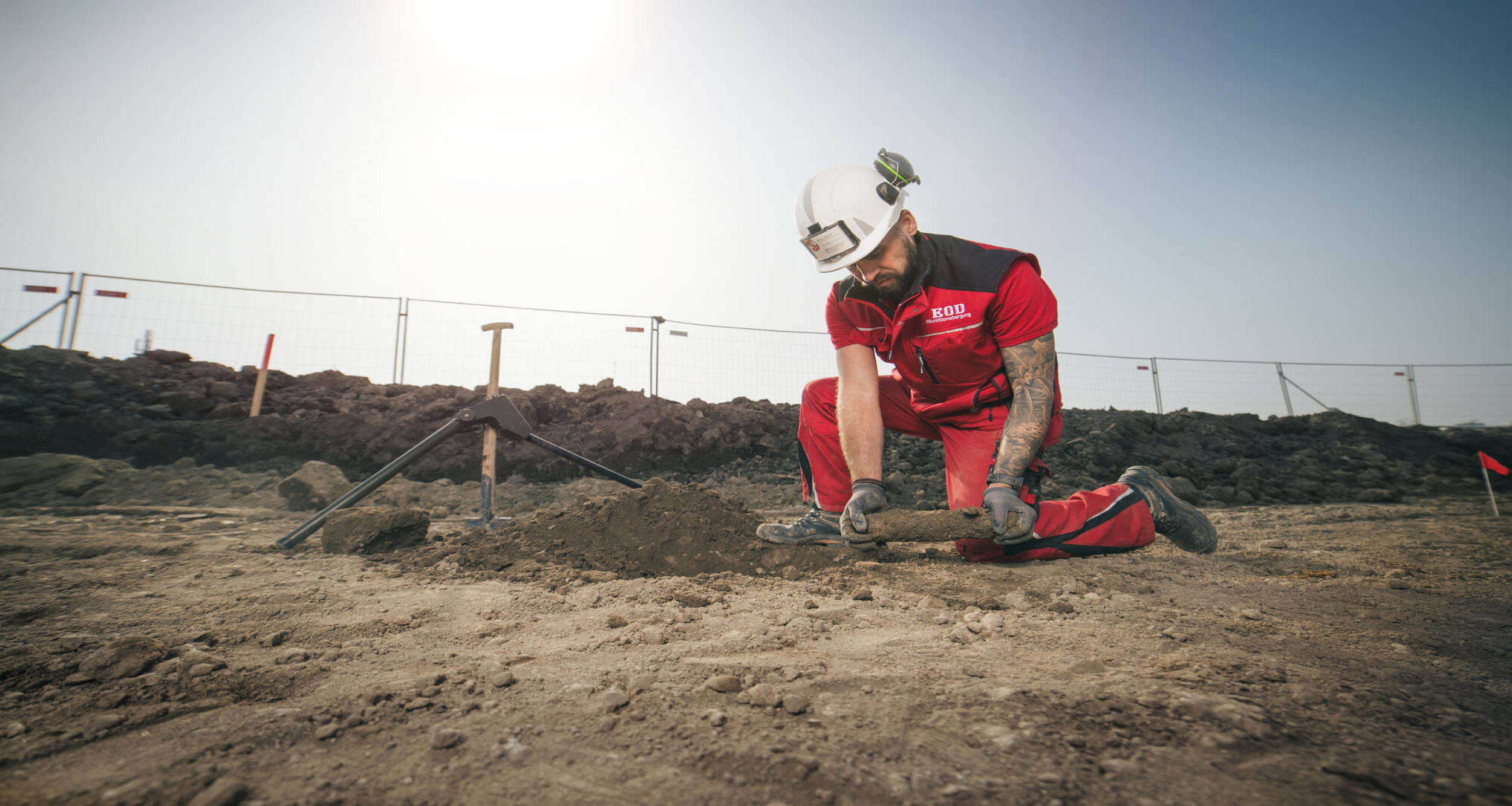
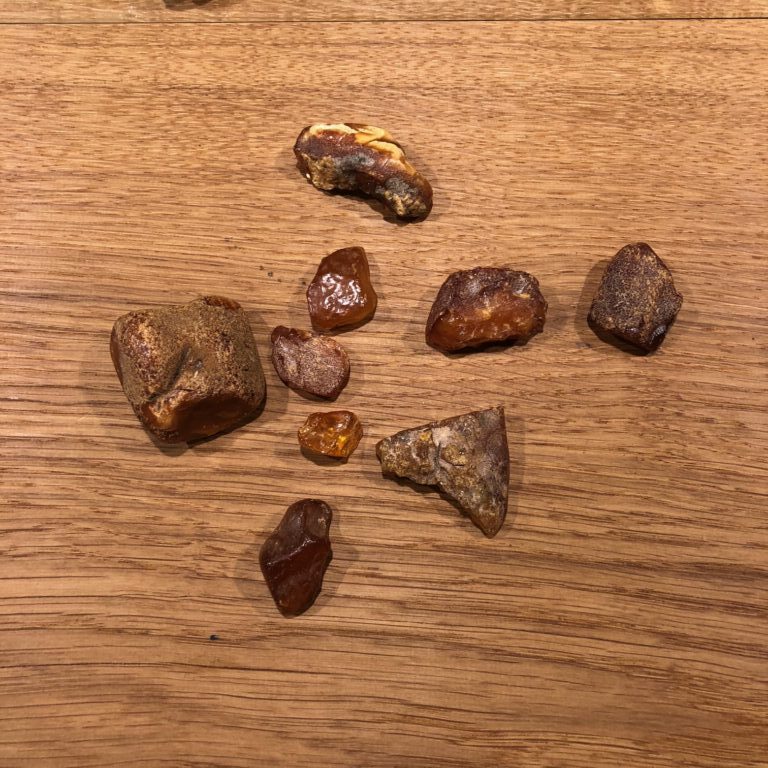
But beneath every excavation pit lies a piece of the past. As if civil engineering weren’t already thrilling enough due to geological uncertainties, sometimes an explosive surprise waits underground. And while we’ve reported on amber discoveries before, it’s usually less about ancient treasures and more about dangerous relics from the world wars.
So, before construction can even begin, it’s often necessary to first understand what might be lurking beneath the surface.
Enter EOD Ammunition Clearance!
CSI-Construction Site
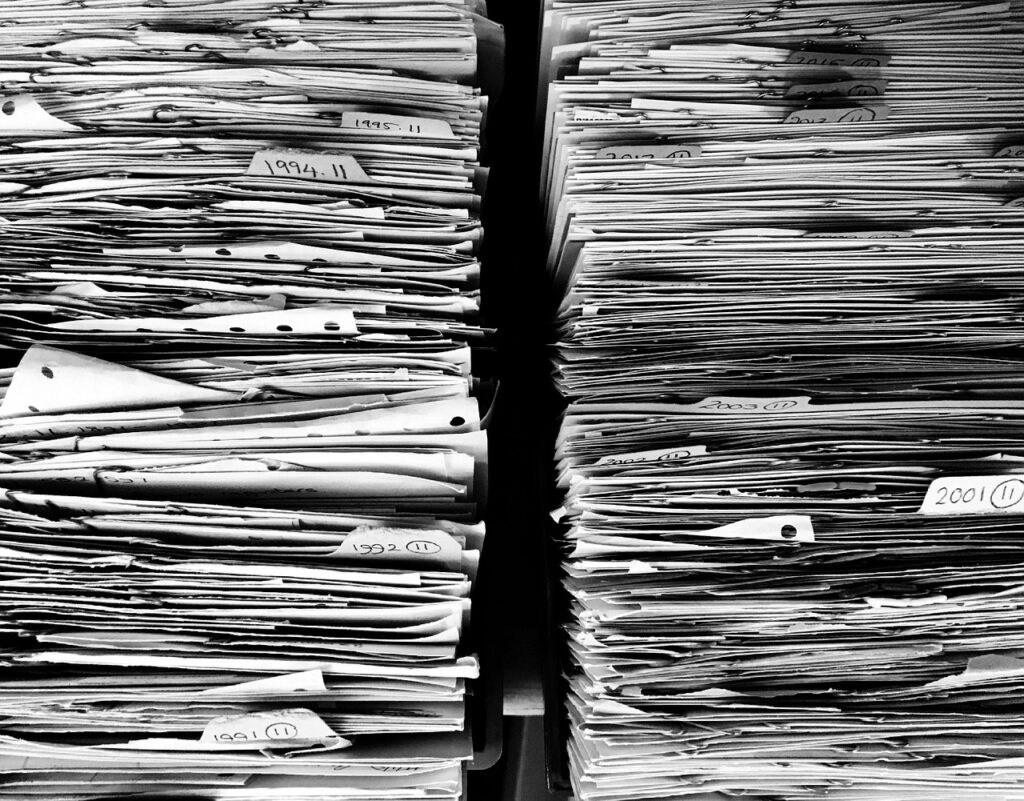
Before the first excavator can even start work, someone else has to put in the groundwork—literally. Historical aerial photos and old documents must be analyzed to assess potential hazards, and then critical safety measurements are taken on-site.
"EOD was founded in 2009 by Austrian experts who had already been active in munitions clearance for years. At that time, there was no purely Austrian company specializing in this field."
explains Stefan Plainer
The steady growth from an original team of 4 to nearly 60 employees today underscores the importance of the topic. After all, urban areas in particular still harbor war relics that should not be encountered unprepared.
If you don’t want to be caught off guard, you need an impressively comprehensive team of experts.
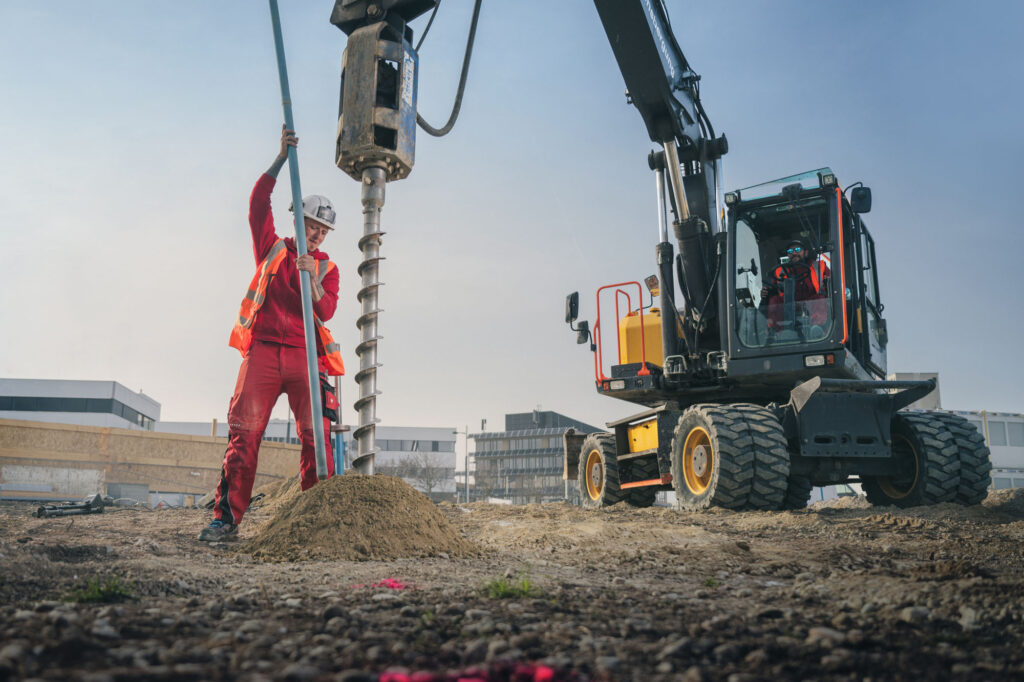
"Our employees bring a wide range of skills to the table. Since we process historical documents, conduct geophysical measurements, operate earth-moving equipment, and evaluate wartime aerial images, our team includes geophysicists, historians, construction managers, forepersons, civil engineers, geographers, and excavator operators."
Stefan Plainer
Just as building a tunnel is more than digging a hole and lining the walls, munitions clearance is more than just scanning the subsurface.
And that brings us back to interfaces 😉
But also between many different disciplines: history, geophysics, and construction execution. That’s already a very broad spectrum of expertise, education, and perspectives that need to be brought together under one roof.
And this is where things get exciting. Or rather, even more exciting than they already are.
Technology meets Teamwork
As impressive as the technical methods are, they’re only part of the equation. The other, often underestimated part is the organization behind them.
Who works with what information, and when? Who evaluates which data? And how do you ensure that individual measurements lead to well-founded decisions?
"In our organization, leadership, organizational development, and process management play a major role. Continuous training and professional development are also crucial. That’s why we’ve established our own internal training department."
Stefan Plainer
In an environment that unites so many disciplines, it’s not enough for everyone to be good at their individual roles. You need a framework with clear processes and competent leadership to bring all these perspectives together and support collaboration—because data alone doesn’t provide answers.
Measuring doesn't mean Knowing
Measurements are, of course, a central tool in munitions clearance. But they usually don’t come at the very beginning of a new project.
"Generally, we first check whether the area in question was affected by combat or bombing during the war and whether there’s any potential danger at all."
Stefan Plainer
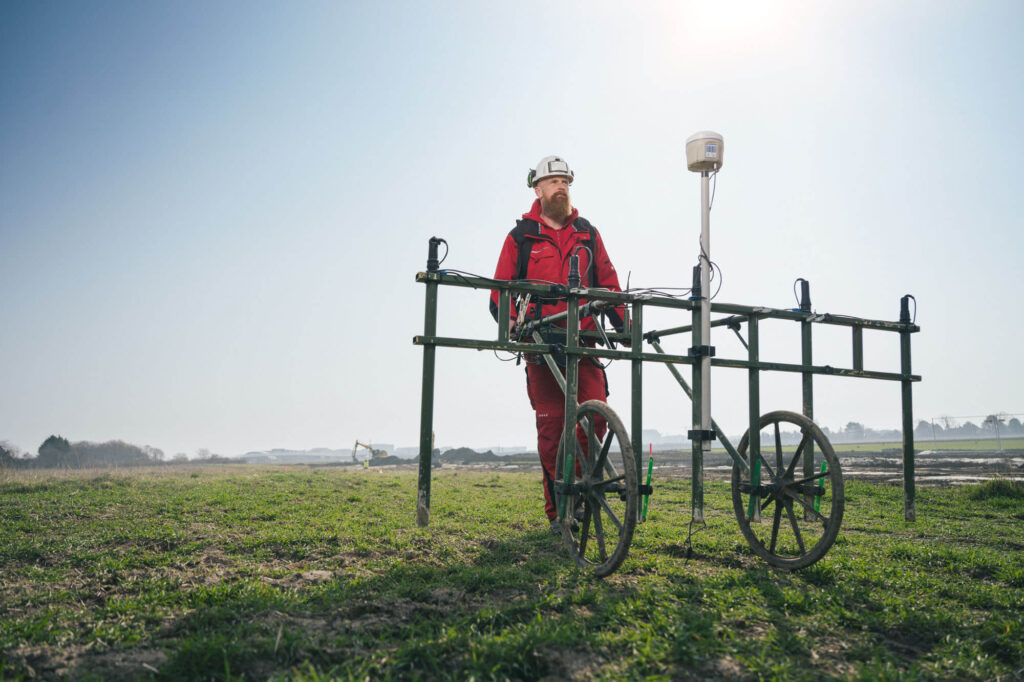
If a potential hazard can’t be ruled out, measurements come next. For example, geomagnetic methods or pulse induction measurements can provide clues about what lies underground. But they rarely give clear answers—they must first be interpreted and placed in the appropriate context.
"I think the interplay of common sense and technology is the decisive factor in every trade. And since we interpret measurements, experience also plays a major role here."
Stefan Plainer
Experience also functions almost like an interface, working in both directions. It takes experience to handle findings correctly, but those findings, in turn, contribute to that experience. And sometimes, they offer much more.
"A few years ago, near the site of a former concentration camp subcamp, we accidentally uncovered a buried box containing personnel files of camp prisoners at a depth of about 2 meters. Such discoveries, which may not be related to munitions but provide valuable information for processing wartime events, are particularly impressive."
Stefan Plainer
And so the circle closes. Experience helps expand knowledge. And the “EOD Interface” not only draws on historical findings but also actively helps create new ones.
Because they know what they’re doing!
We always get especially excited when we get to dive a little deeper into on-site work—when abstract job descriptions and roles turn into tangible tasks and real people.
While munitions clearance had previously seemed very technical to us, our conversation with Stefan Plainer clearly showed how crucial the human factor is in this work. It takes many different people to collect, interpret, and evaluate all the relevant data.
No single discipline is enough on its own—neither historical knowledge nor measurement data alone can meet the challenge. After all, it’s not particularly healthy to live on carbohydrates alone. And just like that, we’re back to our “daily pasta,” the interfaces. Here, they’re not just found between above and below, new and old, past and future—but above all, between people and their diverse skills.
And who knows? Maybe someone reading this is passionate about both technology and history, theory and practice.
A history-loving excavator operator? Or a construction-obsessed programmer?
The EOD team would probably welcome them with open arms.
(And all software-savvy civil engineers, construction & tech-affine project managers, and deep-foundation-loving programmers are welcome to reach out to us—we’d definitely be interested!)
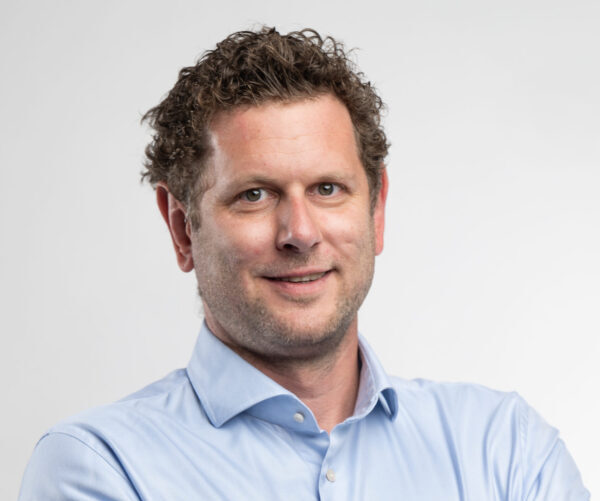
Guest Author: Stefan Plainer
Few people know better than Stefan Plainer that there’s more beneath Austria’s construction sites than just soil. As the CEO and founder of EOD Munitions Clearance, he has spent many years working where construction projects meet history—and, in case of doubt, unexploded ordnance.
His journey into this rather unusual industry began in the Austrian Armed Forces, where he first encountered the topic. In 2009, he recognized a market gap and founded EOD Munitions Clearance, one of the first purely Austrian companies specializing in the safe exploration of construction sites.
Today, he and his team ensure that construction sites don’t turn into surprises—combining historical research, geophysical methods, and practical experience into the very interface this article is all about.

Interfaces You Can’t Program
Few people know better than Stefan Plainer that there’s more beneath Austria’s construction sites than just soil. As the CEO and founder of EOD Munitions Clearance, he has spent many years working where construction projects meet history—and, in case of doubt, unexploded ordnance.

You don’t skimp on Tools
Digitization on a Small Budget A Practical Experience Report Complex, expensive, and far removed from day-to-day work—unfortunately, at first glance, digitization is a topic that

FROM EXCEL TO PLATFORM: WHY SCALABILITY IN CONSTRUCTION DATA MANAGEMENT IS CRUCIAL
Scalable data management in construction—from simple Excel spreadsheets to professional platform solutions. Why project size matters and how eguana SCALES grows with your project. Learn more now.

From Data Dreams to Reality
Many performance specifications require digital systems for evaluation, monitoring, and documentation. We show you how to recognize what’s really meant—and which solution is the right fit.
The eye thinks too
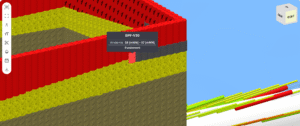
When we started developing our first visualisations, the goal was clear: to make construction sites more vivid, data more tangible, and decisions easier. What began as a simple point overlay on a digital map has since become a powerful tool. A tool that not only shows what was – but helps to understand what is happening, why it is happening, and what this might mean for the rest of the construction process.
A PICTURE IS WORTH A THOUSAND EXCEL SPREADSHEETS
In the beginning was the word. And that word was: “visualisation”. It was supposedly uttered by Philipp, Bernhard and Florian when they set up eguana in 2015. Just how much has changed over the past 10 years – and what the future still has in store for us – is demonstrated today by our “visualisation expert” Philipp Eder.