
Data Speed Dating
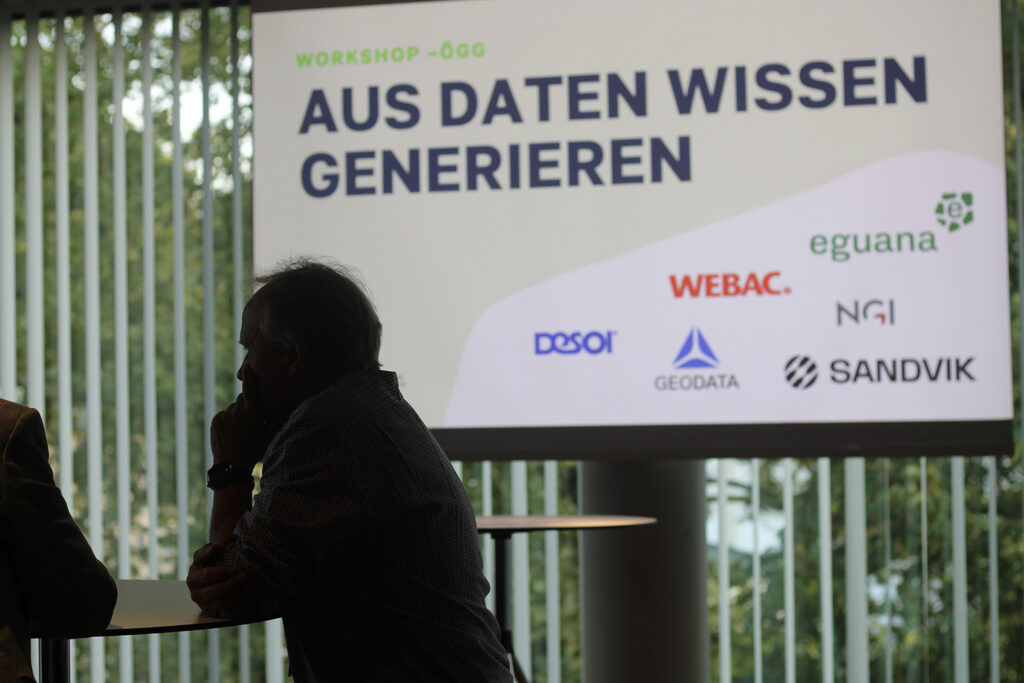
The eguana workshop
A gong sounds. Conversations are cut short mid-sentence. A quick glance, a smile – and suddenly you’re face to face with someone new. Two minutes to get to know the other person, discover common ground, and ask the right questions.
If you’re thinking of speed dating here, you’re not entirely wrong. Except that in our case, it’s not about heart-fluttering moments and life plans, but about measurement data, excavation pits and digital tools.
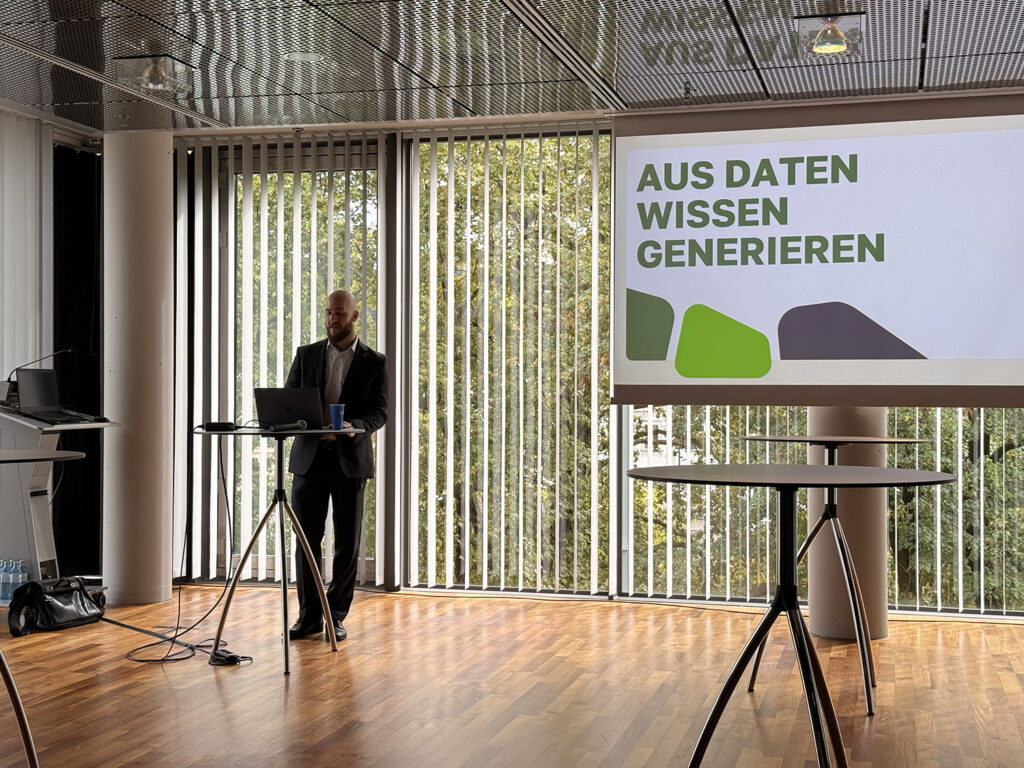
Why this approach? “Because in practice, you don’t work alone either,” says workshop leader and eguana Managing Director Philipp Maroschek. “When we talk about data usage, it never concerns just one company or one trade – it requires collaboration.” That is precisely why it was clear to him from the outset that this would not be an eguana solo workshop. “We wanted to show how much more is possible when different perspectives come together. And that’s only possible if we bring in people from the field who deal with these issues every day.”
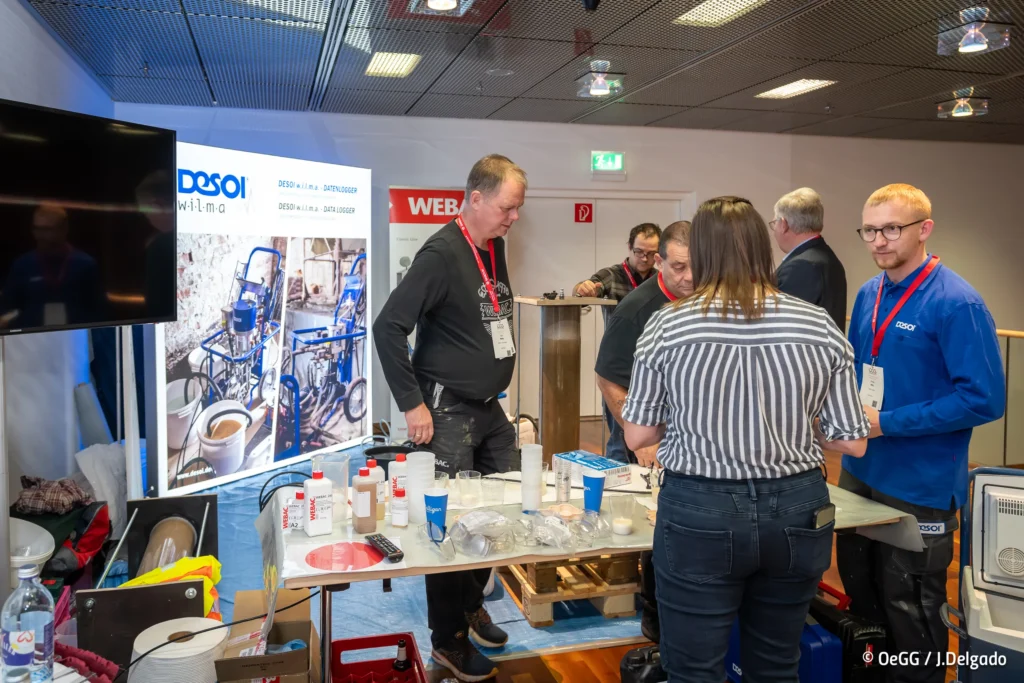
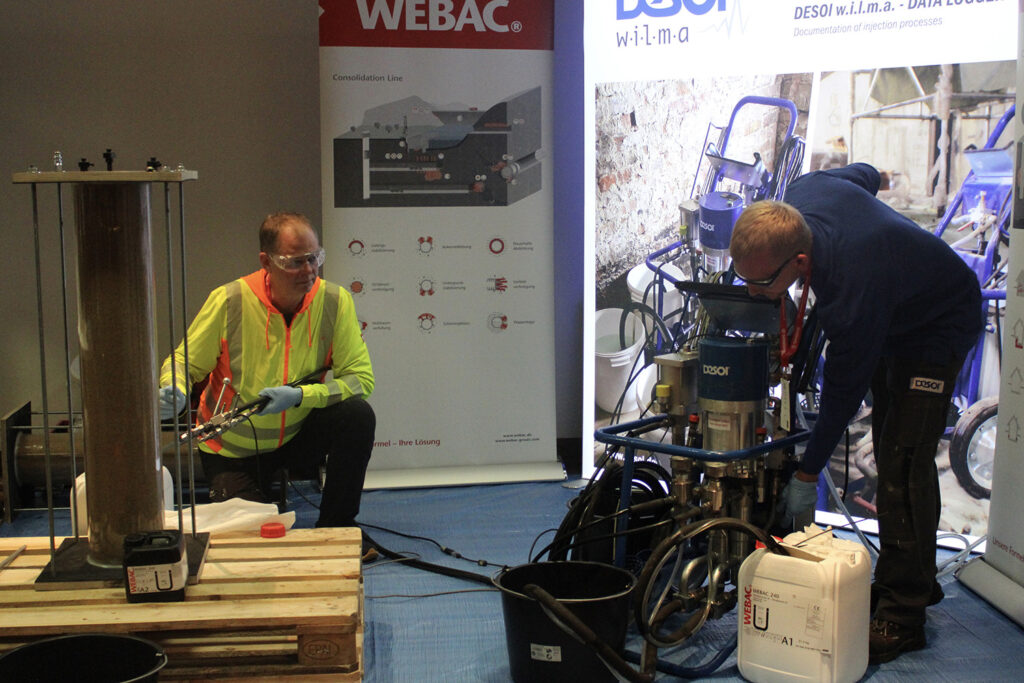
At the stations, it became clear just what data can achieve – when it is correctly recorded, interpreted and shared. From grouting and surveying to dewatering, participants were able to gain an insight into where data is generated, which decisions it influences – and where things sometimes go wrong.
Who knows what?
From individual measurement data to complex analysis of the entire construction site – our stations had something to offer everyone:
Why do we measure at all?
From sensor to 3D drilling visualisation
Understanding TBM tunnelling with code
From siloed solutions to an integrated platform
Later is often
too late
Technically, a great deal is possible in geotechnical engineering today: sensor technology, analysis, visualisation – the tools are there. What is often missing is a shared understanding of what is available and how the individual components can interlock.
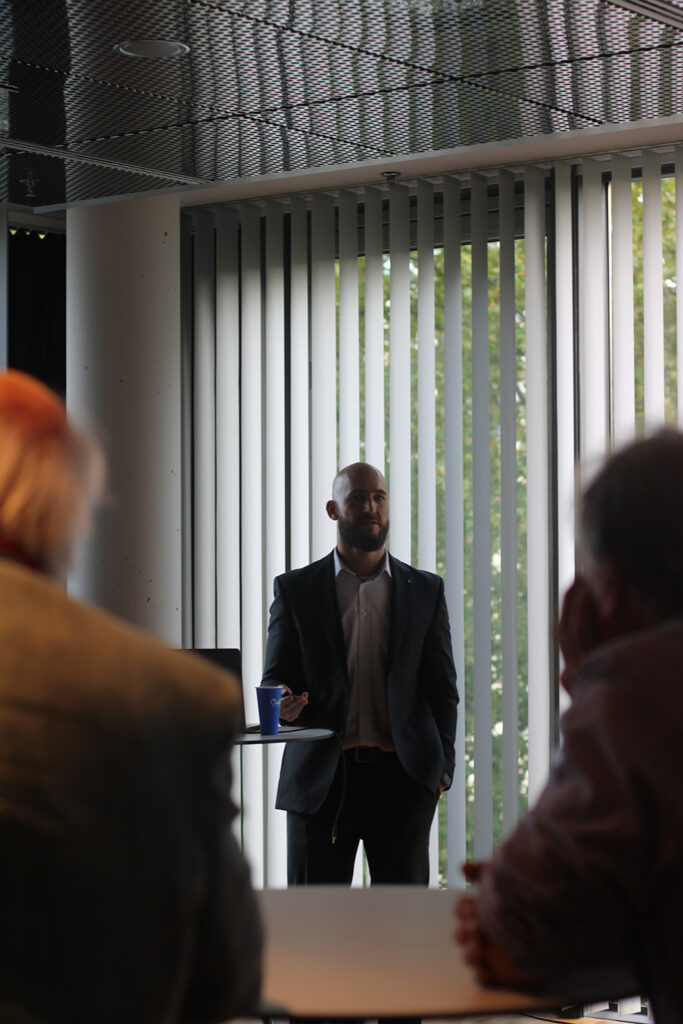
“What became clearest to me during the workshop is not the question ‘What is technically possible?’ – but ‘Who actually knows about it?’”
Philipp Maroschek
Because the biggest hurdles do not arise on site, but much earlier
– during the tendering process
Many clients and planners simply do not know what data is already available, how it can be captured and utilised, how valuable good analysis tools are, and what a difference visualisation or automated evaluation can make to quality, safety and contract management. The result: tenders are too limited, too vague, or data management is left out entirely. Contractors, in turn, often find it difficult to offer something that isn’t required – the risk of losing out in a price comparison would be too great.
It is possible to catch up later, but it is difficult: systems need to be adapted, data processed retrospectively, and interfaces created. A lot of effort, little structure.

The key takeaway from the workshop
If clients and planners know in good time what is possible, they can better define what they actually need, and that changes everything.
Then digitalisation can do more than just help with documentation; it can actively support the management of the construction site. You go from being a spectator to a driver, and data is no longer just a requirement – but genuine added value.
“What we need is timely, collaborative cooperation. We talk a lot about digitalisation – but too rarely about how it can be meaningfully implemented throughout the entire process. If we manage to have these discussions earlier on, then everyone benefits: clients, contractors, planners – and ultimately the whole project.”
Philipp Maroschek
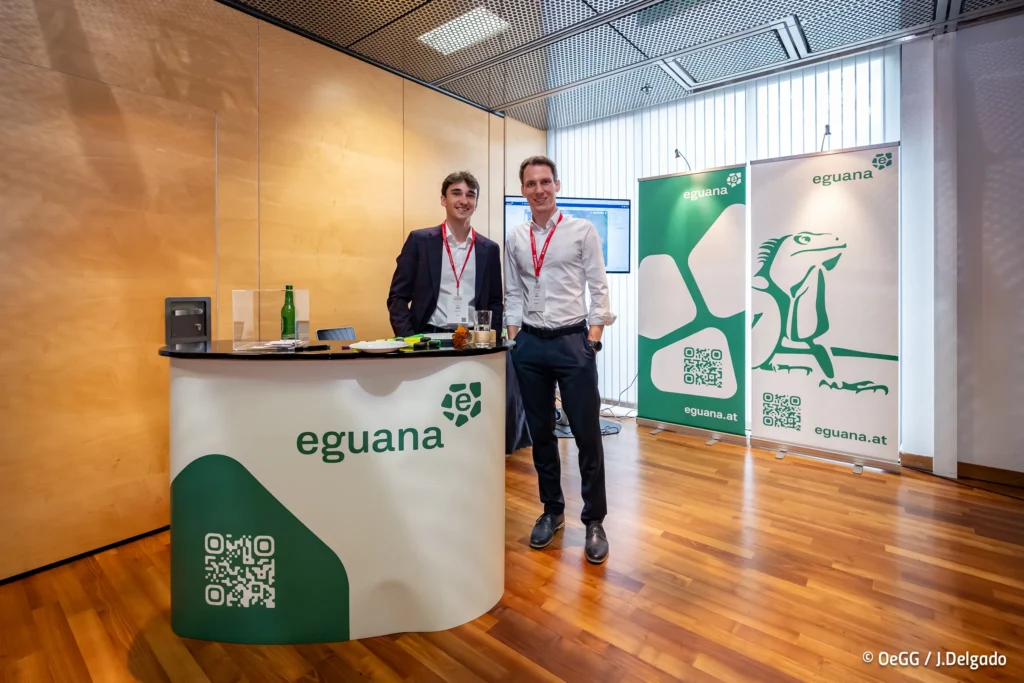
For us, the workshop was a success – and that wasn’t just down to the overwhelmingly positive feedback. Many participants took the time afterwards to continue discussing, asking questions and exchanging ideas with others. This shows us exactly that: the interest is there. And so is the desire for more – more time, more depth, more shared understanding.
And now?
The feedback reinforces our approach: interdisciplinary exchange is not only sensible, but necessary.
If data is to be understood not as a by-product but as a strategic tool, we need formats that go beyond traditional lectures – and people who are willing to think openly together. The potential is huge – and so is the interest.