On our construction sites, water is usually the problem—we hold it back, divert it, pump it away. This time, though, we’re flipping the script: what if water itself is the solution?
Normally, water control, wells, and gauges are about keeping groundwater levels in check. Today, however, we’re joined by a special guest who’ll share what it’s like to install a well not to keep things dry, but because water is desperately needed.
After decades leading 3P Geotechnik ZT GmbH as Managing Director, Martin Pelzl is now fulfilling a lifelong dream in retirement. Spoiler: it involves a long-distance journey—though not the kind you see in those “Enjoy Your Retirement” ads.
Help Me Do It Myself
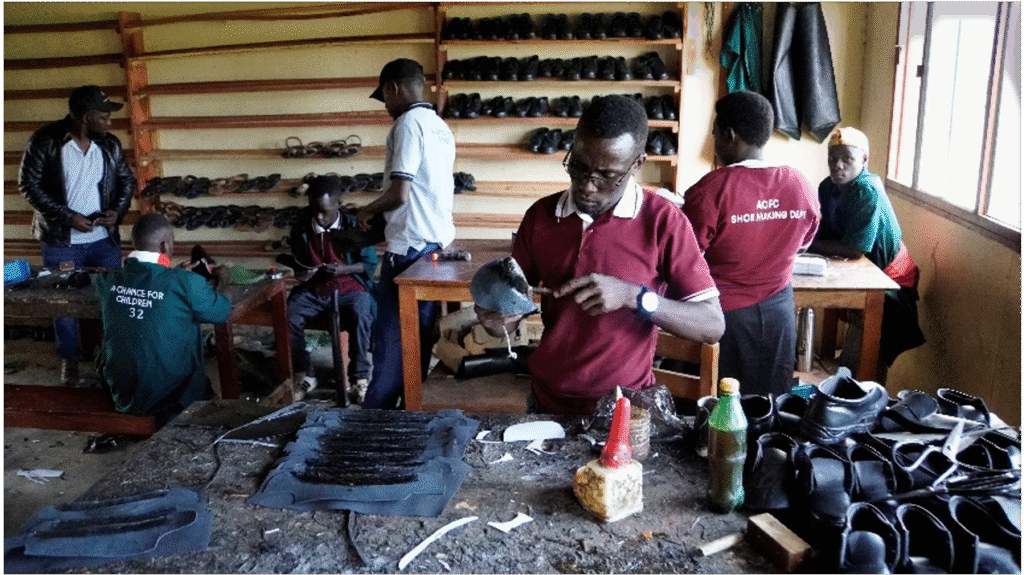
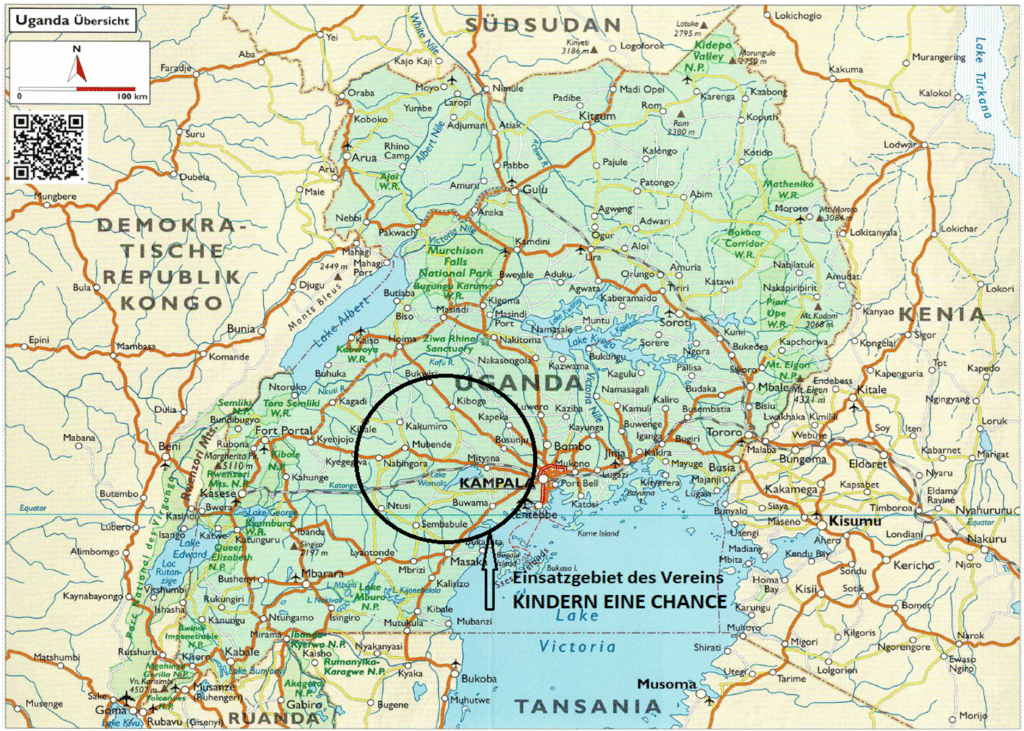
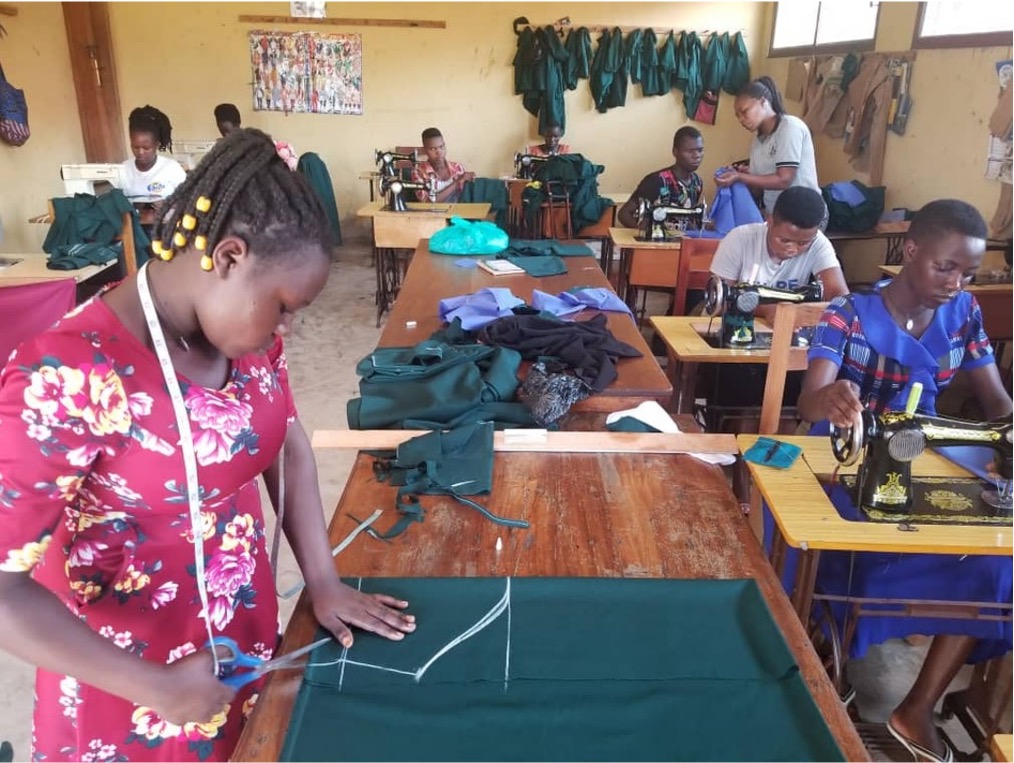
Maria Montessori’s motto, “Help me do it myself,” has inspired the aid organization Give Children a Chance. In Uganda, they build schools that don’t just teach in classrooms, but operate largely off the grid. Beyond a school kitchen, students grow ingredients on-site, learning agriculture firsthand. In dedicated workshops, they master trades—tailoring (making their own uniforms), shoemaking (so no one goes barefoot), plumbing, masonry—everything a village needs to thrive.
“We’re not here just to put out fires; we’re here to build a lasting foundation. We want to create jobs and even bring work back to the country.”
Water: the Source of Life?
Definitly. But also: Water, the Source of Knowledge. Because if there’s no tap water and adults struggle to earn a living, fetching water becomes child labor. Students who attend school can’t also haul water for their families. Suddenly, running water is the ticket to an education.
One might think: let’s just build wells and pipes. (Easier said than done.) But that’s where Montessori and Martin Pelzl, come in.
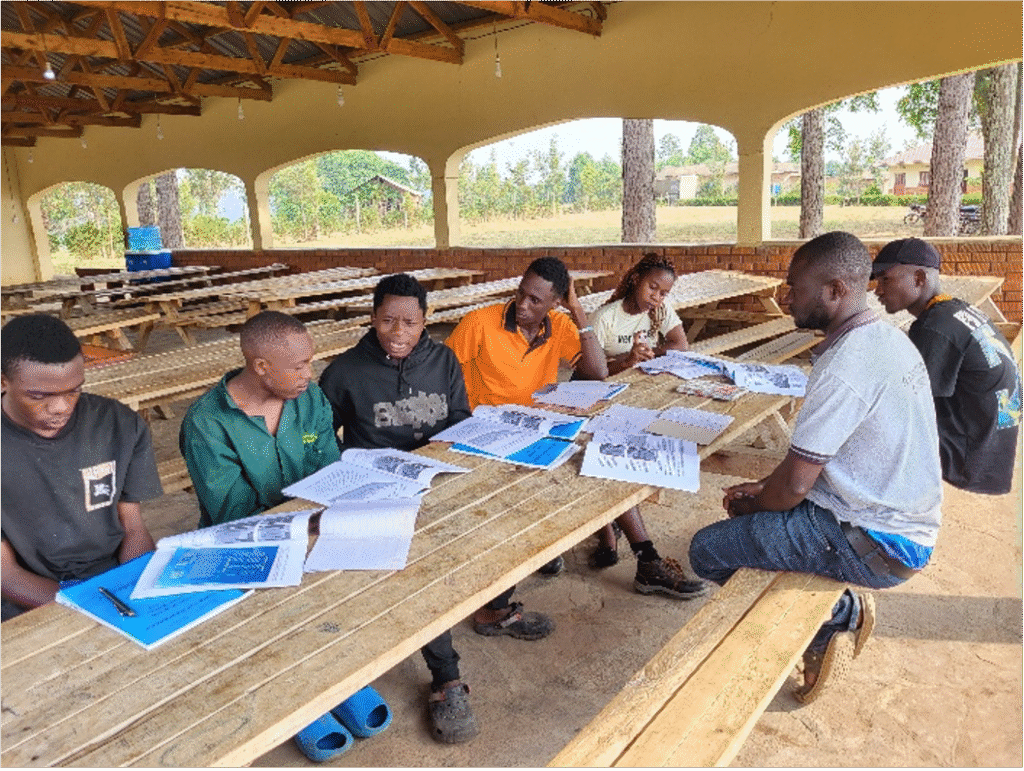
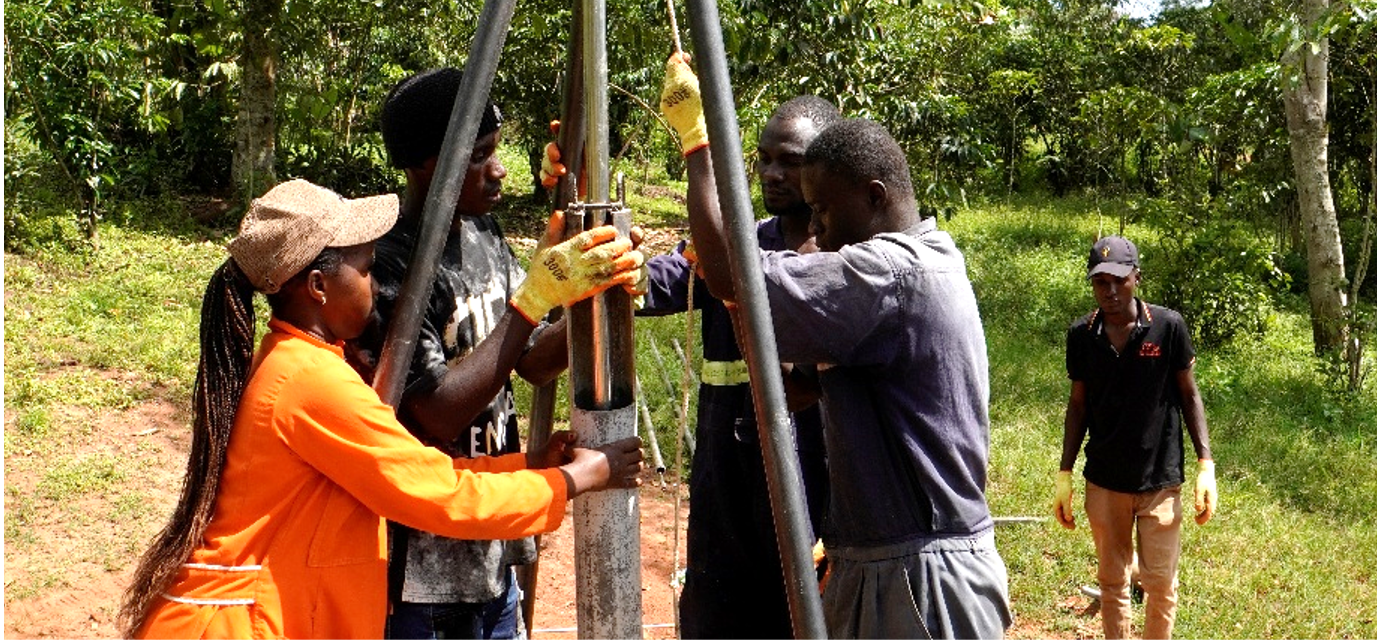
Martin made good use of his retirement and spent three months in Uganda teaching the Nakaziba school’s Water Department the fundamentals of well construction. Because being able to secure your own water supply brings not just safety, but true independence.
From Trash Bin to Spring Box
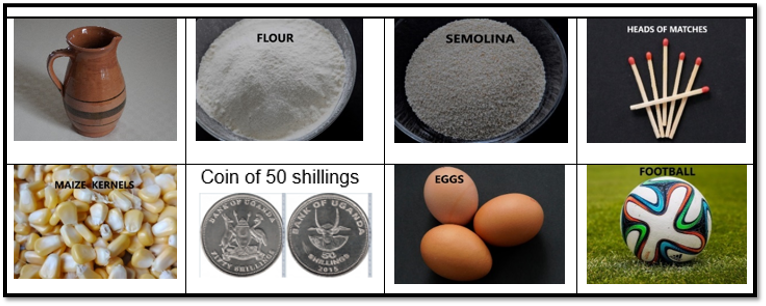
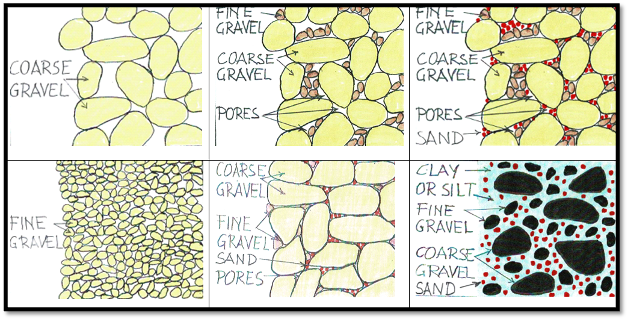
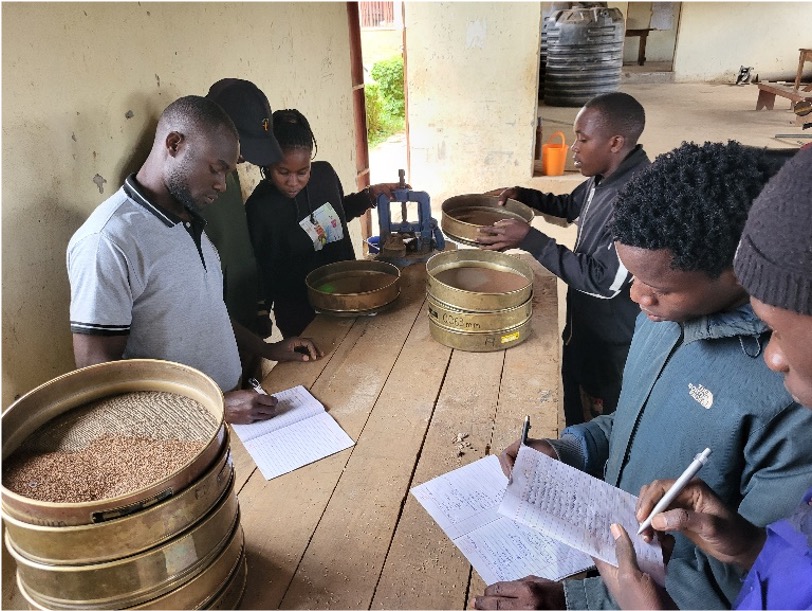
Martin’s course started at square one. First, he began by explaining the principles of soil grain size to his students, using everyday analogies like flour, semolina, corn, and eggs,making the theory deliciously memorable.
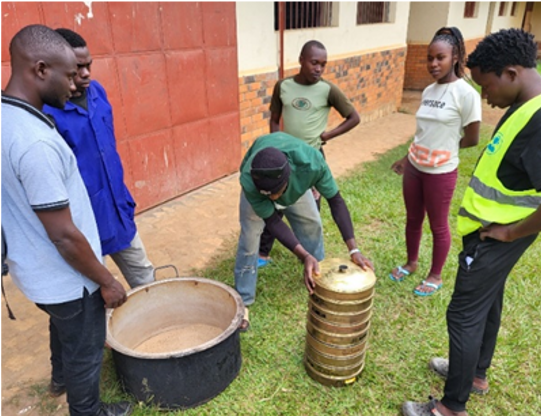
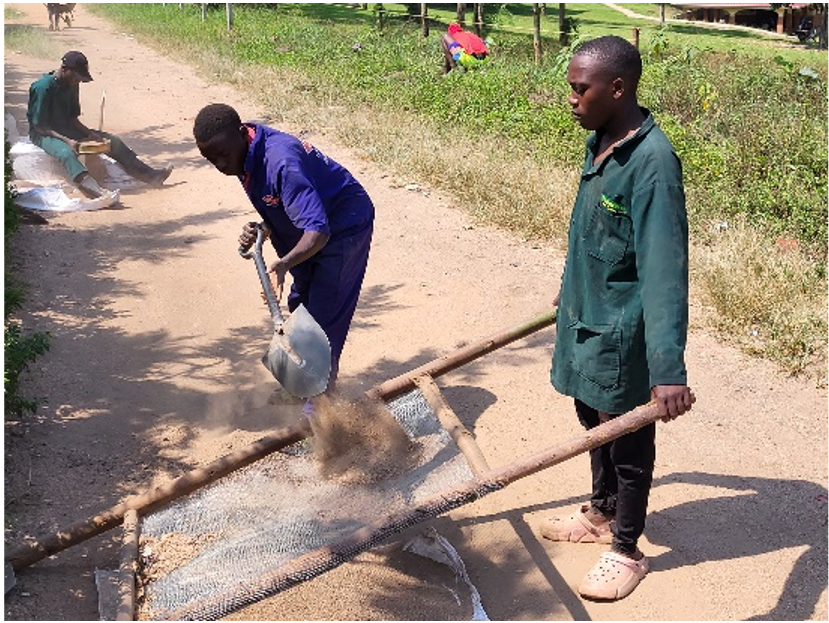
Then came the practical challenge: no fancy tools or hardware stores. Necessity breeds invention: a perforated trash bin became a sieving basket for rocks, and doubling rabbit-wire mesh created a finer filter.
With improvisation, patience, and trust, they didn’t just master theory—they rebuilt the local muddy waterhole into a spring catchment. Today, that catchment supplies the school and village with 7,000 liters of clean water every day.
„I’ll never forget the well’s official opening. The village leaders, including the mayor, gathered. Skeptical at first. It seemed like we’d destroyed their water source by cementing it over. When a village representative filled the first jug, examined it, crossed himself, and took a sip—then beamed and shook my hand—that moment was priceless.“
Same, same – but different?
We asked Martin about his biggest challenges in Uganda. He named three: patience, low perfectionism, and navigating rigid hierarchies.
Sound familiar? Any site veteran knows these hurdles.
“I needed a lot of patience, and the level of precision was nothing like I was used to. The hierarchy there means you can only speak to your direct superior, which can slow decisions to a crawl.”
Well Construction goes Fashion Design
Alongside the well (as if that weren’t achievement enough) Martin brought home two more personal victories. First, not only did he succeed in sharing a wealth of knowledge with the school’s Water Department as planned, but one especially motivated student demonstrated such talent and drive that he’s now ready to lead Martin’s workshop himself and teach future pupils the fundamentals of well construction. In doing so, Martin didn’t just help train skilled workers; he created an on-site “knowledge multiplier.”
Second, football is a hugely popular pastime at the school, and Martin, together with 3P, had already donated several jerseys. While chatting with the school’s tailoring workshop, he posed a simple question: why not sew their own football jerseys and T-shirts? These would be in high demand on campus and could even serve as valuable merchandise. The only barrier was sourcing appropriate fabrics. Today, thanks to Martin’s initiative, they’re now producing their own T-shirts locally. An inspiring step toward sustainable development.
Ready for Adventure?
And for anyone inspired to pack their bags for Uganda—bring all the patience and expertise you can carry. They’re looking for any kind of hands-on skills that help keep a school running or put food on a family’s table.
If you don’t have the vacation days to make the trip, laptops are also welcome— just as monetary donations.
This website uses cookies to improve your experience. We'll assume you're ok with this, but you can opt-out if you wish. Cookie settings RejectACCEPT
Privacy & Cookies Policy
Privacy Overview
This website uses cookies to improve your experience while you navigate through the website. Out of these cookies, the cookies that are categorized as necessary are stored on your browser as they are essential for the working of basic functionalities of the website. We also use third-party cookies that help us analyze and understand how you use this website. These cookies will be stored in your browser only with your consent. You also have the option to opt-out of these cookies. But opting out of some of these cookies may have an effect on your browsing experience.